
Waking up to heel pain is more than just an annoyance; it can throw a wrench in your whole day, making even simple tasks feel like a marathon.
For anyone who’s had their day-to-day life hijacked by conditions like plantar fasciitis or Achilles tendonitis, finding a way to manage that pain isn’t just nice—it’s essential.
Enter night splints, the unsung heroes of heel pain management.
Imagine slipping into bed, your feet snug in night splints, and waking up to less pain.
Sounds dreamy, right?
It’s not just wishful thinking; it’s a reality for many, making night splints a standout solution in the quest for a pain-free life.
Understanding Heel Pain and Its Troublemakers
Heel pain doesn’t discriminate.
Whether you’re an athlete or someone who’s on their feet all day, conditions like plantar fasciitis, Achilles tendonitis, and those pesky heel spurs can make each step a trial.
The pain can range from a nagging discomfort to feeling like you’re stepping on a nail every time you stand up.
And it’s not just the pain—heel conditions can make your feet feel stiff and rob you of your mobility.
Getting to the heart of heel pain means understanding its culprits.
Whether it’s the sharp jab of plantar fasciitis greeting you in the morning or the constant ache of Achilles tendonitis, know that you’re not alone.
And more importantly, there are solutions like night splints that can help you reclaim your mornings and your mobility, one night at a time.
What are Night Splints?
Picture this: a device that hugs your foot and calf, gently stretching them while you’re off to dreamland.
That’s what night splints are all about.
They’re these nifty gadgets designed to keep your foot in a slightly flexed position, giving the plantar fascia and Achilles tendon a nice, long stretch overnight.
You’ve got options too!
Whether it’s a dorsal splint that latches onto the front of your leg and foot, a cozy boot-style splint, or a snug sock-like splint, there’s a variety to suit your comfort and needs.
The Good Stuff: Benefits of Using Night Splints
So, why invite a night splint into your bedtime routine? Here’s what they bring to the pajama party:
- Sweet Relief: Wearing a night splint can significantly dial down the pain and discomfort from unfriendly conditions like plantar fasciitis or Achilles tendonitis.
- Chill Out, Inflammation: It’s all about giving those tight tissues a stretch, helping to ease the inflammation and say “goodbye” to that sting in your step.
- Get Moving: With regular use, you might just find your foot and ankle feeling more limber and ready to tackle the day.
- Healing Vibes: By keeping things stretched out, night splints encourage the healing process, helping you get back on your feet.
Getting the Most Out of Your Night Splint
Ready to give it a go? Here are a few tips to make the most out of your night splint experience:
- Find the Perfect Fit: Make sure your foot snuggles in just right, with the toes in a happy place and everything strapped in securely.
- Make it a Habit: Consistency is your friend. Aim to wear it every night to see the best results.
- Adjust for Comfort: Don’t be shy to tweak the straps for that perfect blend of snug and comfy.
- Talk to the Pros: A chat with a healthcare professional can provide personalized advice on making night splints work for you.
Backed by Science: The Effectiveness of Night Splints
Curious if night splints are really up to the hype?
Science says “yes!”
Studies have shown that folks with heel pain have seen real improvements from incorporating night splints into their treatment plan.
For the full scoop on the research and success stories, take a peek at resources like WebMD’s insights on plantar fasciitis treatments and Healthline’s rundown on night splints.
FAQs: Night Splints Unwrapped
What's the deal with night splints?
They’re like a gentle, overnight stretch session for your foot, aiming to ease heel pain and help with conditions like plantar fasciitis.
How long do I need to wear them?
Most folks wear them through the night. Your healthcare provider can give you the best advice on duration and consistency.
Will a night splint solve all my heel pain woes?
While they’re a fantastic tool, they’re part of a bigger picture. Combining them with other treatments and exercises, as recommended by a professional, will offer the best path to relief.
Types of Night Splints
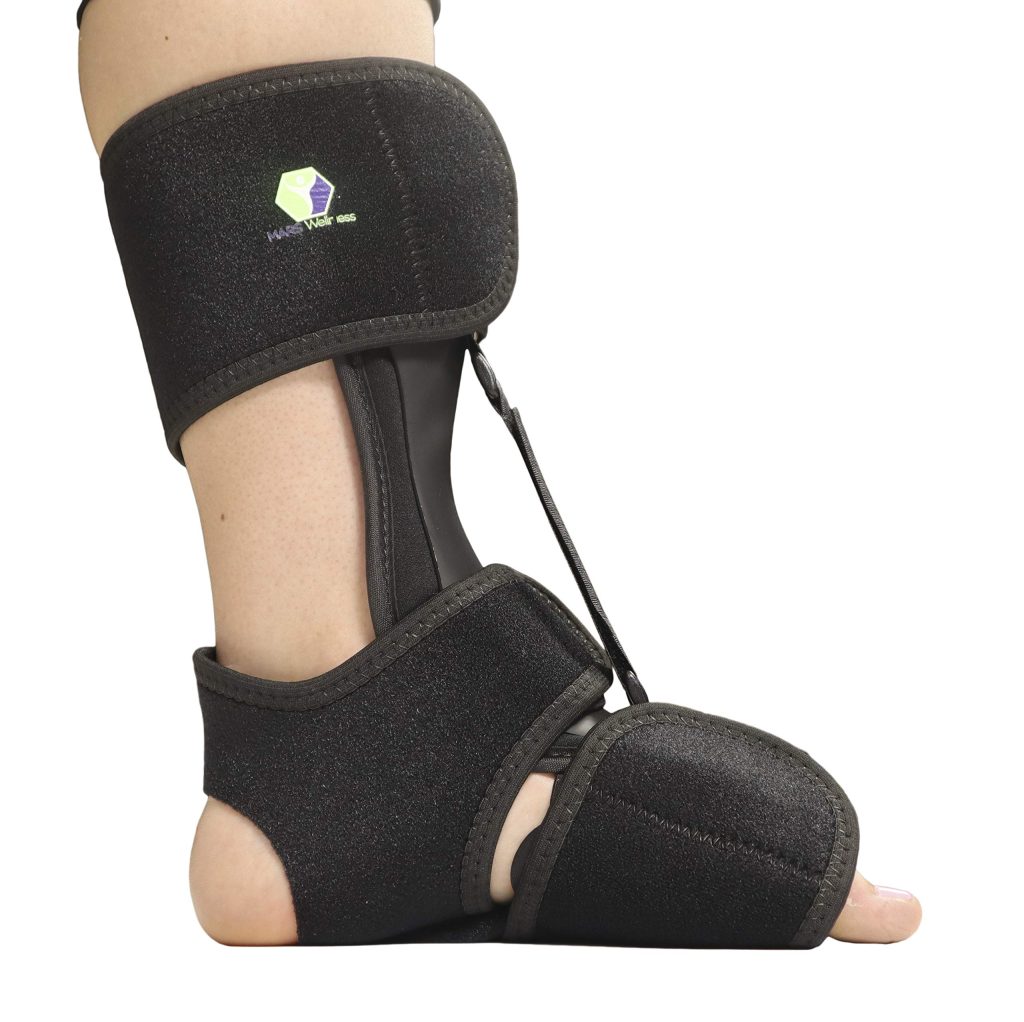
Dorsal Splints
Imagine a friendly brace that sits on top of your foot and hugs your lower leg, giving your plantar fascia and Achilles tendon a nice, gentle stretch.
These guys are pretty cool because you can tweak them to get just the right fit, making sure they’re comfy but effective.
Boot-Style Splints
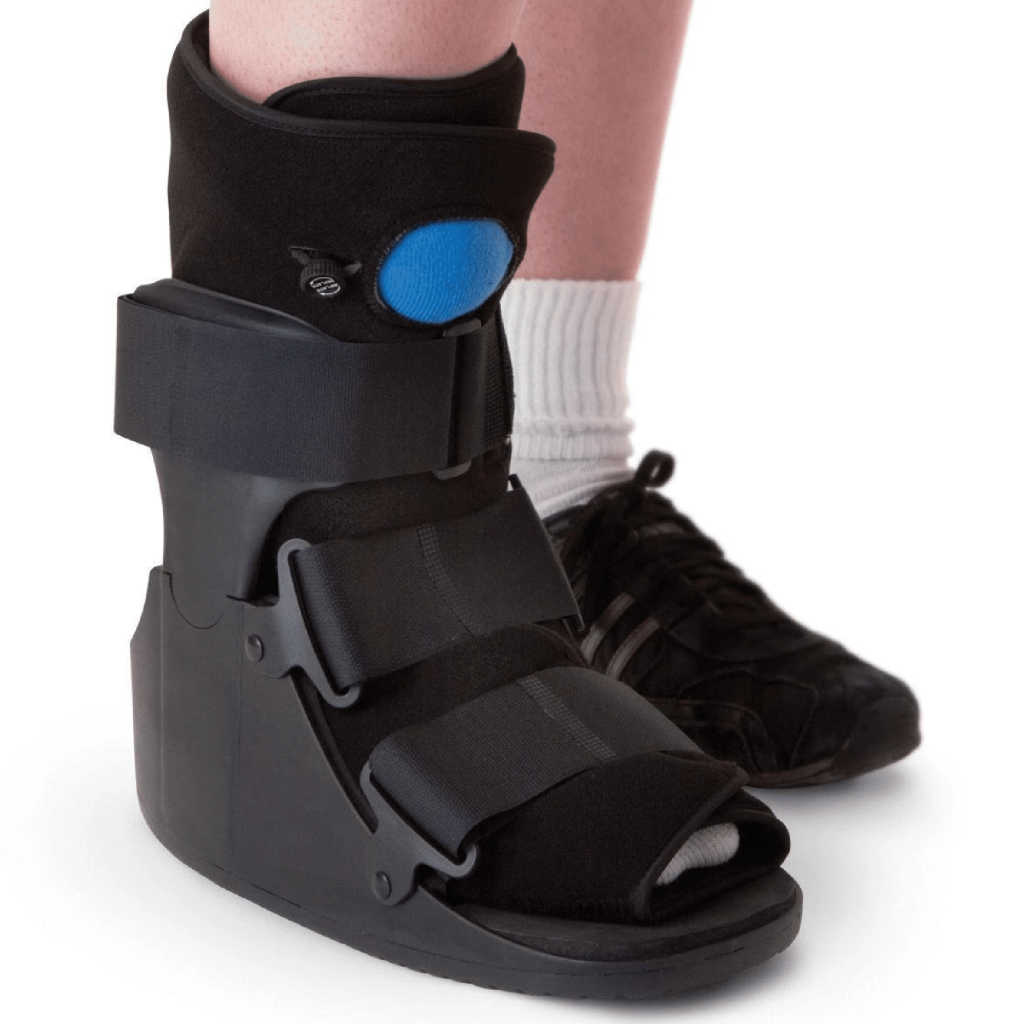
These are like the sturdy boots of the night splint world.
They wrap around your foot and lower leg, offering a snug, supportive embrace.
Perfect for those who need a bit more oomph in their support, especially if your heel pain is more on the stubborn side.
Sock-Like Splints
For those who prefer to keep things light, these splints are your go-to.
They’re basically stretchy socks that provide a cozy fit, perfect for slipping into bed without feeling like you’re wearing a bulky gadget.

Choosing and Buying Night Splints
Chat with a Pro: Before diving into the world of night splints, it’s a smart move to talk with someone who knows their stuff, like a healthcare professional or a podiatrist. They can help you pick the splint that’ll cozy up to your feet just right.
Comfort is Key: Make sure your night splint feels like a comfy pair of slippers, not like you’re strapping into a medieval torture device. Adjustable straps and some cushioning can go a long way.
Quality Matters: Look for splints made of the good stuff, so you don’t end up with a flimsy splint that gives up on you after a couple of uses. A bit of research and customer reviews can guide you to a brand that’s reliable.
Think About Your Wallet: Prices vary, so balance your budget with the need for a quality splint. Remember, investing in a good night’s sleep and pain-free mornings can be worth every penny.
Alternative Treatments and Complementary Therapies
Stretch It Out: A daily dose of stretching can do wonders. Focus on those calf muscles and the plantar fascia to keep things limber. A physical therapist can show you the ropes.
Physical Therapy: Sometimes, you need a little extra help, and that’s where physical therapy comes in. They’ve got all sorts of tricks up their sleeves, from manual therapy to ultrasound.
Step Up Your Shoe Game: Orthotic inserts or just picking the right shoes can make a big difference. Look for ones that offer good support and cushioning.
Shockwave Therapy (ESWT): It sounds futuristic, and it kind of is. Shockwaves are used to encourage healing where it’s needed most.
Try Acupuncture: For a touch of traditional therapy, acupuncture has been known to offer relief for some people, sticking it to heel pain in a whole different way.
Lifestyle Changes to Keep Heel Pain at Bay
Choose Your Shoes Wisely: Your feet will thank you for wearing shoes that fit well and support your arches. It’s like giving them a hug every day.
Watch Your Weight: Keeping a healthy weight means your feet don’t have to work overtime.
Take It Easy: Amping up your exercise? Do it gradually to keep your feet happy.
Warm-Up and Cool Down: Just like you, your feet need a good stretch before and after a workout.
Rest Up: Don’t forget to give your feet a break. They deserve a rest too, after all they do for you.
Night splints could be your night time heroes, turning those hours of sleep into a healing session for your feet. With the right choice and a little extra care in your routine, you can wake up ready to take on the day, minus the heel pain.
Note: The information provided in this article is for informational purposes only and should not be considered as medical advice. It is always recommended to consult with a healthcare professional for an accurate diagnosis and personalized treatment plan.