
Understanding Plantar Fasciitis: A Runner’s Guide
Introduction
As runners, we all dread the onset of plantar fasciitis – that persistent heel pain that can seriously hinder our running routine.
This article is your go-to guide, delving into the symptoms, risk factors, and effective management strategies specifically for runners dealing with plantar fasciitis.
Let’s lace up and get ready to tackle this head-on!
Anatomy of the Foot and Running Mechanics
For us dedicated runners, the plantar fascia is far more than just an anatomical feature of our foot; it’s a key component in the complex mechanism of running.
This thick band of tissue plays a pivotal role in supporting the arch of the foot, a crucial aspect for efficiently absorbing and distributing the impact that occurs each time our foot strikes the ground.
It’s like a built-in shock absorber, designed to cushion and protect.

However, the very action that brings us joy – running – can put this vital structure under a lot of stress.
Each foot strike during a run brings a repetitive impact that can stretch and strain the plantar fascia, particularly if we have a tendency for our foot to roll inwards too much with each step, a motion known as overpronation.
This excessive inward roll can alter the way forces are distributed across the foot, placing additional strain on the plantar fascia.
Understanding the dynamics of pronation is crucial for us runners.
Pronation is a normal part of the running gait, but when it becomes excessive,
it disrupts the natural alignment and function of the foot.
This imbalance increases the risk of developing plantar fasciitis, as the plantar fascia is forced to compensate for the irregular mechanics.
Therefore, being aware of our foot type and gait, and addressing any issues of overpronation, is not just about improving performance – it’s about preserving the health of our feet and preventing the onset of conditions like plantar fasciitis.
Identifying Specific Symptoms in Runners
Pain Location & Character
For those of us who love to run, plantar fasciitis can present itself as an uninvited and persistent pain, typically concentrated in the heel or the arch of the foot.
Imagine a sensation that feels like a needle pricking sharply into your foot, or a deep, relentless burn that just doesn’t seem to subside.
This discomfort is most noticeable and often at its peak during those first few steps in the morning – it’s as if your foot is protesting the transition from rest to movement.
Similarly, after a long, strenuous run, when our feet have borne the brunt of continuous impact, this pain can flare up, making those post-run moments less about satisfaction and more about managing discomfort.
It’s a hallmark of plantar fasciitis, a reminder that our feet are enduring more than they’re comfortable with.
Pain Triggers and Progression
This pain is infamous for its ‘morning greeting’,
Initially, you might find the pain subsides as you continue your run, giving a false sense of resolution.
However, as you clock in more miles, the pain can make an unwelcome return, becoming a more persistent and frustrating presence.
Over time and without proper care, this once sporadic pain can evolve into a chronic issue.
The repetitive strain of running can exacerbate the condition, leading to a consistent level of discomfort that hampers not only running performance but also daily activities.
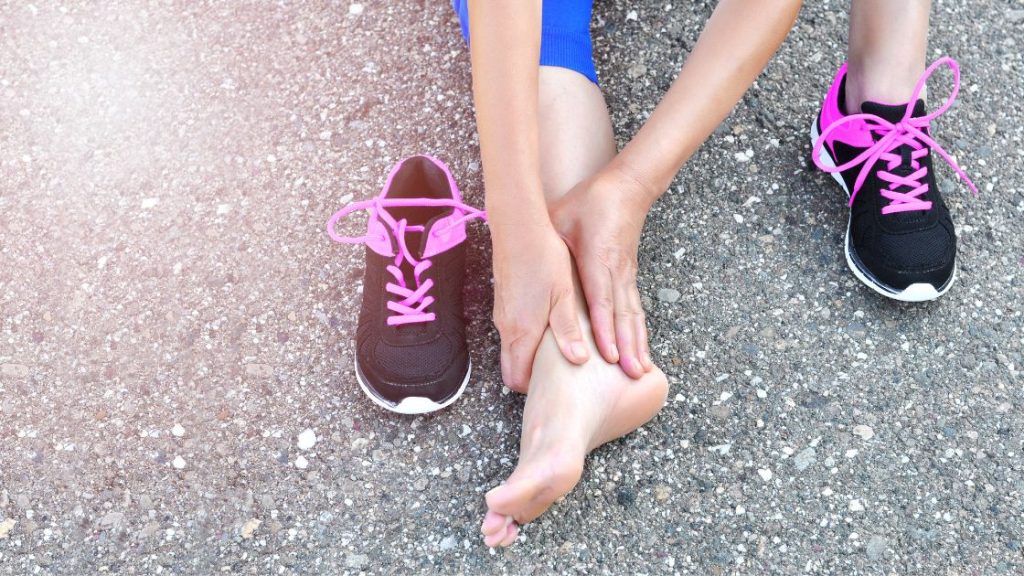
Moreover, the ongoing pain can subtly alter your running form as you instinctively try to alleviate discomfort, potentially leading to further biomechanical issues.
For runners, being attuned to the onset and progression of plantar fasciitis pain is crucial.
Early detection and treatment can prevent the condition from becoming a long-term hurdle, keeping us on track and running pain-free.
Remember, addressing plantar fasciitis early not only aids in quicker recovery but also helps maintain our optimal running form and overall foot health.
Specific symptoms for different running styles
Your running style plays a crucial role in how plantar fasciitis affects you.
If you’re an overpronator, your feet roll inward excessively, placing additional stress on the plantar fascia.
Conversely, supination (underpronation) involves an outward roll, leading to insufficient absorption of impact and potential strain on your arch.
Meanwhile, forefoot striking runners, who land more on the balls of their feet, might experience a different pattern of strain on the plantar fascia.
Each style affects the distribution of force through the foot and can alter where and how plantar fasciitis pain manifests, making it vital to understand your unique running mechanics.
Risk Factors for Runners
Understanding what increases the risk of plantar fasciitis is crucial for us runners. The usual suspects include:
- High Training Volume and Intensity: Pushing our limits is part of what makes us runners, but overtraining without giving our bodies time to recover is like playing with fire. Those extra miles or that intense speed work, without proper rest, can overload the plantar fascia.
- Improper Footwear: Our shoes are our primary equipment. Running in shoes that don’t fit correctly or lack the necessary support for our foot type doesn’t just dampen performance; it also places undue strain on the plantar fascia. Imagine each footstrike lacking the cushioning or support it needs – it’s a recipe for plantar fasciitis.
- Tight Calf Muscles: Tightness in the calves isn’t just uncomfortable; it also limits ankle mobility. This restriction increases the tension on the plantar fascia with every step we take. Regular stretching and flexibility work can keep those calf muscles supple and reduce the risk.
- Weak Foot and Ankle Muscles: Strength in our feet and ankles is often overlooked in our training. Weak or underdeveloped muscles in these areas mean less support for the plantar fascia, making it work harder and increasing the risk of injury.
- Biomechanical Imbalances: The way our foot naturally moves, whether it’s overpronation, supination, or neutral, significantly influences the load on the plantar fascia. Understanding our unique biomechanics can guide us in choosing the right footwear and training modifications.
- Sudden Increases in Intensity or Mileage: We all love to push our boundaries, but sudden jumps in running intensity or adding too many miles too quickly can shock the plantar fascia, leading to inflammation and pain. Gradual increases and listening to our bodies are essential for healthy progression.
Managing and Preventing Plantar Fasciitis in Runners
Home Treatment and Pain Relief Strategies
Incorporating these strategies into your daily routine can significantly help manage and alleviate plantar fasciitis symptoms. Remember, while these home treatments are beneficial, consulting with a healthcare professional for persistent or severe symptoms is always recommended.
- Ease Up on Running: Reducing your running intensity or even taking a complete break is essential. Continuing to run on a painful foot can exacerbate the condition.
- Switch to Low-Impact Activities: Substitute running with low-impact exercises like swimming or cycling. These activities maintain cardiovascular fitness without placing additional stress on your feet.
- Alter Your Routine: If you must run, consider shortening your distance or opting for softer surfaces like grass.
Ice and Stretching:
- Ice Therapy: Regularly apply ice packs to the affected heel for about 15-20 minutes, several times a day. This helps reduce inflammation and alleviate pain.
- The Towel Stretch: Sit with your legs extended in front of you, loop a towel around the affected foot, and gently pull the towel towards you, keeping the leg straight. Hold this stretch for 30 seconds and repeat 3-4 times, especially in the morning.
- Calf Stretches: Tight calf muscles can exacerbate plantar fasciitis. Incorporate calf stretches into your daily routine to relieve tension in the Achilles tendon and plantar fascia.
Supportive Footwear and Orthotics:
- Proper Running Shoes: Invest in running shoes that provide adequate arch support and cushioning. Shoes should fit well and be replaced regularly to ensure proper support.
- Orthotic Inserts: Over-the-counter or custom orthotics can provide additional support and distribute pressure more evenly across your foot. They can be particularly helpful for runners with specific foot shapes or biomechanical issues like overpronation.
Over-the-Counter Pain Relievers:
- NSAIDs for Pain Management: Nonsteroidal anti-inflammatory drugs like ibuprofen or naproxen can be effective in managing pain and reducing inflammation. However, they should be used judiciously and as per recommended dosages to avoid potential side effects like gastrointestinal discomfort.
Professional Treatment Options
When home treatments don’t quite cut it for persistent plantar fasciitis, professional medical interventions can be a game-changer. Here’s a breakdown of the various options available:
- Physical Therapy: This is often the first line of professional treatment. A physical therapist can develop a personalized program that includes targeted exercises designed to stretch and strengthen the plantar fascia, Achilles tendon, and lower leg muscles. This approach not only helps alleviate pain but also addresses any biomechanical issues that may be contributing to the condition. Modalities like ultrasound therapy can promote tissue healing by increasing blood flow and reducing inflammation, while therapeutic massage can help loosen tight muscles and improve mobility.
- Corticosteroid Injections: For more stubborn cases where inflammation is severe, corticosteroid injections directly into the plantar fascia can provide significant relief. These injections can reduce swelling and pain, offering a window of opportunity for more aggressive physical therapy. However, their use is generally limited due to potential side effects, such as weakening of the plantar fascia and increased risk of rupture.
- Extracorporeal Shockwave Therapy (ESWT): ESWT is a non-invasive procedure where shock waves are directed at the affected area to stimulate healing. It’s particularly beneficial for chronic plantar fasciitis and can accelerate tissue repair and cell growth, effectively reducing pain and improving function.
- Surgical Intervention: Surgery is considered a last resort, typically reserved for cases where all other treatments have failed, and the pain severely impacts quality of life. The most common surgical procedure involves releasing part of the plantar fascia to relieve tension. Recovery from surgery can vary, and it’s essential to weigh the risks and benefits carefully with a healthcare provider.
Prevention Strategies for Runners
To keep plantar fasciitis at bay, runners need to adopt a comprehensive prevention strategy. This involves not just attention to training but also to overall foot health and body mechanics. Here’s how you can proactively reduce your risk:
- Gradual Training Increases: Avoid the temptation to rapidly increase your mileage or intensity. Incremental increases allow your body, especially your feet, to adapt to new stresses. A good rule of thumb is the ‘10% rule’, which suggests not increasing your weekly mileage by more than 10% from the previous week.
- Proper Recovery: Recovery is as crucial as the workout itself. Ensure you’re giving your body enough time to rest and repair. This includes adequate sleep, proper nutrition, and hydration. Active recovery practices like yoga or foam rolling can also be beneficial.
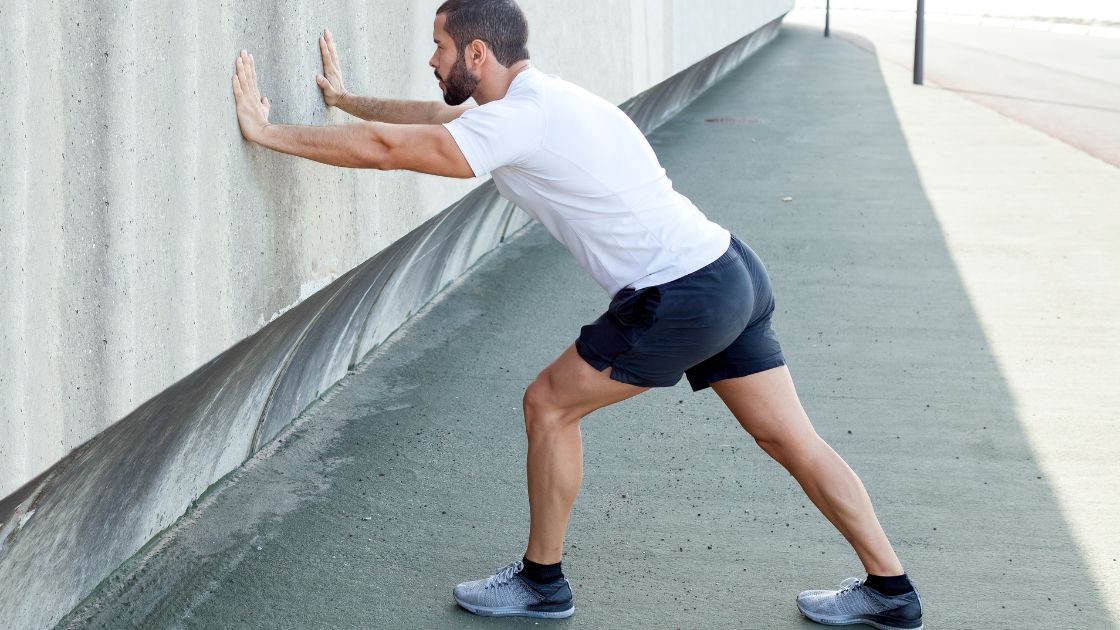
- Warm-Up and Cool-Down Routines: Incorporate a dynamic warm-up routine that activates your foot and ankle muscles before you run. Post-run, don’t skip the cool-down. Stretch your calves, Achilles tendon, and plantar fascia to maintain flexibility and decrease tension in these areas.
- Strength Training: Strengthening your calf muscles and the plantar fascia can improve foot mechanics and absorb the impact of running more effectively. Exercises like calf raises, toe curls, and towel scrunches are beneficial.
- Healthy Weight Maintenance: Excess weight puts additional stress on your feet, increasing the risk of plantar fasciitis. Maintaining a healthy weight through a balanced diet and regular exercise can alleviate unnecessary pressure on your feet.
- Appropriate Footwear: Invest in running shoes that suit your foot type and running style. Ensure they provide adequate support and cushioning for your specific needs. Consider the terrain you typically run on – trail runners may need different support compared to road runners.
- Listening to Your Body: Pay attention to the signals your body sends. If you feel pain or excessive fatigue, take a rest day or cross-train. Ignoring these signs can lead to overuse injuries like plantar fasciitis.
FAQs for Runners with Plantar Fasciitis
Can I still run with plantar fasciitis?
The ability to continue running with plantar fasciitis largely depends on the severity of your symptoms.
In cases where the pain is mild and manageable, you might be able to maintain a reduced running regimen.
However, for more severe cases, taking a complete break from running and focusing on rest and recovery is crucial.
It’s important to listen to your body and consult with a healthcare professional to assess your specific situation.
How long does it take for plantar fasciitis to heal in runners?
The healing process for plantar fasciitis varies among individuals, but with appropriate and consistent treatment, many runners start to see noticeable improvement within a few months.
This timeframe can depend on several factors, including the severity of the condition, adherence to treatment and rehabilitation exercises, and individual healing rates.
Patience and persistence with your treatment plan are key to recovery.
What happens if plantar fasciitis is left untreated in runners?
Ignoring plantar fasciitis can lead to worsening symptoms and chronic heel pain.
Over time, untreated plantar fasciitis can result in persistent discomfort, possibly affecting your gait and leading to secondary issues such as knee, hip, or back problems due to compensatory movement patterns.
Therefore, addressing the condition promptly is essential to prevent long-term complications.
Are there any alternative treatments for plantar fasciitis in runners?
In addition to conventional treatments like stretching, icing, and using orthotics, some runners explore alternative therapies for relief.
Acupuncture and specialized massages, such as deep tissue or sports massage, have been found beneficial by some in managing pain and improving foot function.
These treatments can be complementary to your primary care plan and offer additional relief and healing support.
Note: The information provided in this article is for informational purposes only and should not be considered as medical advice. It is always recommended to consult with a healthcare professional for an accurate diagnosis and personalized treatment plan.