
Understanding Chronic Heel Ache
Are you in your prime years and struggling with that pesky, chronic heel ache? You’re not alone! “The pain would wake me up in the middle of the night, like someone was stabbing knives into my heel. Every first step in the morning felt like walking on broken glass,” shares a fellow sufferer. But, as Sarah Jones, a podiatrist, assures us, “Chronic heel pain is incredibly common, but it’s not something you have to suffer through. Early diagnosis and proper treatment can make a huge difference in managing the pain and preventing long-term damage.”
The Anatomy of the Heel
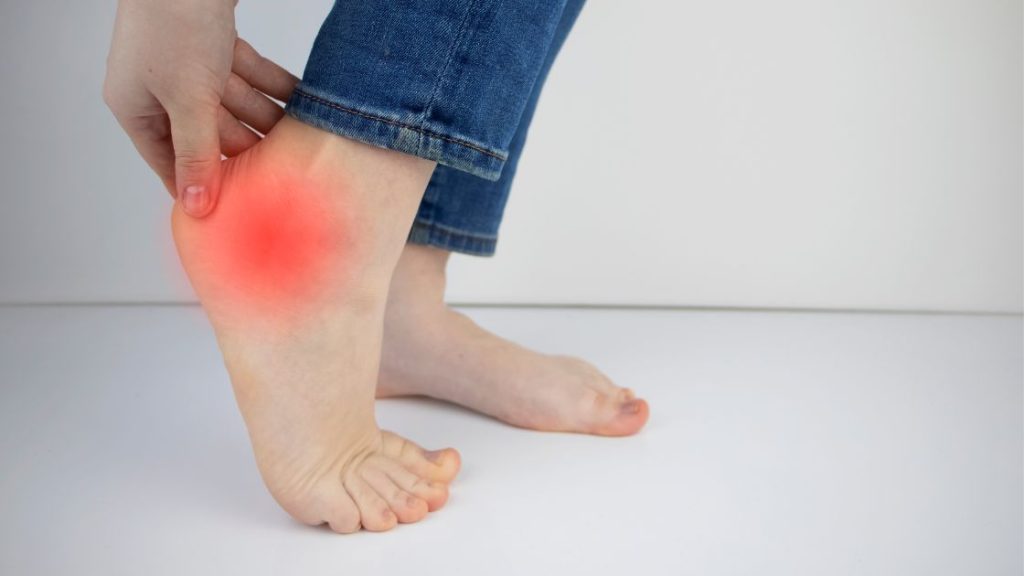
To get to the bottom of this nagging heel ache, let’s first understand the heel’s anatomy. Key players include the plantar fascia, Achilles tendon, and heel bone. These parts support our body weight and aid movement. When they’re stressed or imbalanced, ouch – the pain kicks in. Biomechanics, or how our feet move and carry us, also plays a big role. For a deeper dive into the heel’s anatomy, check out resources like the Mayo Clinic and WebMD.
Common Culprits of Chronic Heel Ache
- Plantar Fasciitis: This tops the list. It’s when the plantar fascia ligament gets inflamed, leading to that sharp, first-step-in-the-morning pain. Risk factors? High arches, overuse, and not-so-great footwear. Treatments range from rest and stretches to orthotics and, sometimes, medical intervention.
- Heel Spurs: These bony growths on the heel bone can add to the ache, especially if plantar fasciitis is in the mix. Treatment focuses on the root cause, like soothing the plantar fasciitis.
- Achilles Tendinitis: Inflammation in the Achilles tendon can bring on heel pain and stiffness. Overuse, unsupportive shoes, and certain sports can trigger it. Rest, therapy, and medical treatments can help.
- Fat Pad Atrophy: Aging, trauma, or medical conditions can thin out the heel’s natural cushion, leading to more pain. Cushioned footwear and orthotics are go-to remedies.
- Other Causes: Let’s not forget other possible villains like stress fractures, arthritis, bursitis, or nerve issues. These might need specific diagnostics and treatments.
Risk Factors: What Increases the Chances of Chronic Heel Ache?
- Obesity: Extra weight means extra stress on your heels.
- Improper Footwear: Shoes lacking support or cushion can be culprits.
- Repetitive Activities: Activities with repetitive foot impact can lead to pain.
- Medical Conditions: Arthritis, diabetes, and similar conditions can up your heel ache game.
By understanding these risk factors, we can take steps like choosing better shoes, managing our weight, tweaking our activities, and taking care of any medical conditions to prevent or lessen chronic heel ache.
Finding Relief and Preventing Future Heel Pain
Getting to the Bottom of Chronic Heel Ache
First things first, if your heel’s been bothering you for a while, it’s time to see a healthcare pro. They can figure out what’s causing your heel pain through methods like a physical exam, X-rays, or even an MRI. These tests can pinpoint whether it’s plantar fasciitis, heel spurs, Achilles tendinitis, or something else.
Now, depending on what’s causing your heel to holler, there are several ways to soothe it:

- Rest and Ice: Kick back and give your foot a break, and ice it to bring down the swelling.
- Stretching and Exercises: Gentle stretches and exercises can strengthen your foot and ease pain.
- Medications: NSAIDs might be on the cards to help with pain and inflammation.
- Orthotics and Shoe Inserts: Custom insoles or orthotics can be real game-changers in offering support and cushioning.
- Physical Therapy: A physical therapist can whip up a treatment plan to improve how your foot moves and feels.
- Injections: Sometimes, corticosteroid shots are used to calm down inflammation.
- Surgery: This is usually the last stop when other treatments haven’t done the trick.
For more on diagnosing and treating heel pain, sources like the American Academy of Orthopaedic Surgeons are super helpful.
Prevention: Keeping Heel Pain at Bay
Let’s talk prevention because, honestly, who wants to deal with heel pain again? Here are some key strategies:
- Choose Supportive Shoes: Ditch those high heels or thin soles for shoes that really support your feet.
- Watch Your Weight: Keeping a healthy weight means less stress on those heels.
- Warm-Up and Cool Down: This is essential before and after exercise to keep those feet happy.
- Regular Foot Exercises: Strengthening and stretching your feet can keep them in top shape.
- Listen to Your Body: If your feet are starting to complain, take a break. Overdoing it is never a good idea.
FAQs: Your Heel Pain Questions Answered
How long does chronic heel pain last?
It varies but with the right treatment, you can often kick it in a few months.
Can home remedies help?
Absolutely, for temporary relief. But don’t skip that doctor’s visit for a proper diagnosis and treatment plan.
What if I ignore it?
Ignoring chronic heel pain can lead to more pain and complications. So, it’s best not to.
Is surgery a must?
Not always. Many find relief with less invasive treatments. Surgery is a last resort.
Conclusion
Chronic heel pain doesn’t have to be a part of your life story. With the right care, treatment, and some lifestyle tweaks, you can say goodbye to that heel pain. Remember, taking action and consulting with healthcare professionals is key to improving your quality of life and getting back to doing what you love, pain-free!
Note: The information provided in this article is for informational purposes only and should not be considered as medical advice. It is always recommended to consult with a healthcare professional for an accurate diagnosis and personalized treatment plan.